
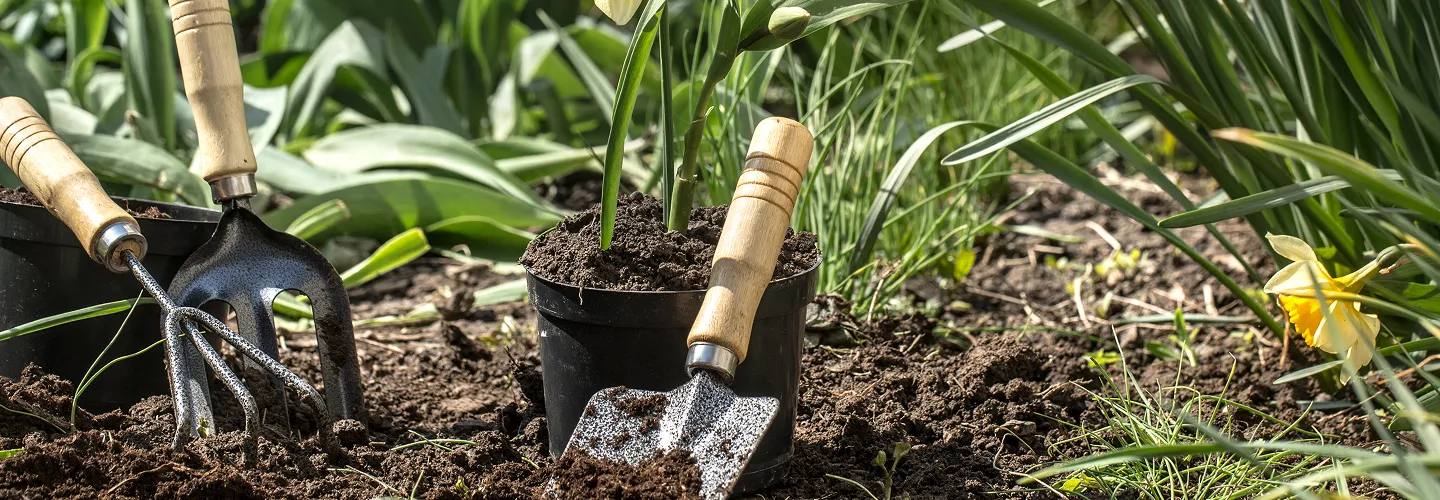
Reynolds Flower Bed Maintenance Services
Choose our Flower Bed Maintenance for expert care that keeps your garden blooming beautifully all season long—enjoy healthy, weed-free beds and stunning curb appeal without the hassle.
Get a Free QuoteOur Reynolds Landscaping & Yard Care Services
When to Schedule Flower Bed Maintenance in Reynolds, Georgia – Seasonal Guide
In Reynolds, Georgia, timing your flower bed maintenance is crucial for vibrant, healthy landscapes throughout the year. The region’s humid subtropical climate means that spring and early fall are generally the best times for planting, mulching, and pruning. Local frost dates—typically late March for the last frost and early November for the first—should guide your maintenance schedule to protect tender plants and maximize blooming periods. Neighborhoods near the Flint River or close to Reynolds City Park often experience higher humidity and occasional flooding, which can affect soil drainage and plant health. Areas with dense shade, such as those under mature oaks in the Oakwood subdivision, may require different care than sunnier spots along Main Street. Soil in Reynolds tends to be a mix of clay and loam, so amending beds for proper drainage is often necessary. For more detailed local guidelines, consult resources like the Town of Sudbury’s environmental page, which offers helpful insights on sustainable landscaping practices.
Local Factors to Consider for Flower Bed Maintenance in Reynolds
- Tree density and shade coverage, especially in established neighborhoods
- Soil type and drainage, with clay-heavy soils common in the area
- Seasonal precipitation patterns and risk of drought during late summer
- Proximity to water sources like the Flint River, affecting humidity and flooding risk
- Municipal restrictions or guidelines on watering and chemical use
- Terrain variations, from flat lawns to sloped yards near city landmarks
Benefits of Flower Bed Maintenance in Reynolds

Enhanced Curb Appeal
Weed and Pest Prevention
Healthier Plant Growth
Seasonal Color Management
Professional Expertise
Time and Effort Savings

Reynolds Flower Bed Maintenance Types

Seasonal Flower Planting
-
Weed Control Services
-
Mulching and Soil Conditioning
-
Edging and Bed Redefining
-
Pruning and Deadheading
-
Fertilization Programs
-
Pest and Disease Management
Our Flower Bed Maintenance Process
Site Evaluation
Weed Removal
Soil Cultivation
Mulching
Plant Care
Why Choose Reynolds Landscape Services
-
Reynolds Homeowners Trust Us
-
Expert Lawn Maintenance
-
Competitive Pricing
-
Professional Team
-
Satisfaction Guarantee
-
Personalized Service
-
Reliable Scheduling
Soil Conditions in Reynolds and Their Impact on Flower Bed Health
Reynolds sits within USDA Hardiness Zone 8b in Middle Georgia's Fall Line region, where soils transition between Piedmont clay and Coastal Plain sandy loams. Predominant soil series in the Taylor County area include Faceville sandy loam and Greenville sandy clay loam, both characterized by moderate-to-poor drainage and acidic pH levels typically ranging from 5.0 to 6.2. These conditions directly affect flower bed performance in several ways:
- Compaction: Clay subsoils beneath sandy topsoil layers restrict root penetration and water infiltration, requiring regular bed cultivation.
- Acidity: Most ornamental annuals and perennials perform best at pH 6.0–6.5, meaning lime amendments are frequently necessary.
- Drainage: Beds installed in low-lying areas or near drainage swales may retain excessive moisture, promoting root rot in species such as lantana, salvia, and vinca.
Property owners should obtain a soil test through the UGA Cooperative Extension before amending beds. The USDA Web Soil Survey provides parcel-level soil mapping for Reynolds properties, enabling informed decisions about bed depth, amendment ratios, and drainage improvements.
Seasonal Planting Windows and Bed Refresh Timing for Reynolds
Reynolds's long warm season—typically extending from mid-March through early November—creates two primary flower bed maintenance windows. Understanding these intervals ensures plant establishment and reduces material waste:
- Spring refresh (mid-March to mid-April): Soil temperatures consistently reach 60°F or above, suitable for warm-season annuals such as zinnias, pentas, begonias, and marigolds. Mulch should be replenished to a depth of 2–3 inches after old material is removed or turned.
- Fall transition (late September to mid-October): Cool-season color plants including pansies, violas, ornamental kale, and snapdragons can be installed once daytime highs drop below 80°F regularly.
- Mid-summer maintenance (June–August): Focus shifts to deadheading, weed suppression, irrigation monitoring, and pest inspection rather than new plantings, as heat stress above 95°F inhibits transplant establishment.
The National Weather Service Peachtree City forecast office provides localized frost date and temperature trend data relevant to Reynolds planting decisions. Average last spring frost occurs near mid-March, and first fall frost typically arrives in mid-November, giving Reynolds approximately 245 frost-free days annually.
Protecting Reynolds Drainage Infrastructure During Bed Maintenance
Flower bed maintenance activities—including mulch application, soil amendment, and bed edging—can introduce sediment, organic debris, and nutrient-laden runoff into Reynolds's stormwater system if not properly managed. Taylor County and the City of Reynolds operate within the broader Flint River watershed, which is subject to water quality monitoring by the Georgia EPD Watershed Protection Branch. Residents and contractors should observe the following precautions:
- Avoid stockpiling mulch, topsoil, or compost near storm drains, roadside ditches, or drainage swales.
- Install temporary sediment barriers (silt socks or straw wattles) when regrading or amending beds adjacent to impervious surfaces.
- Sweep excess mulch and soil from sidewalks, driveways, and curb lines immediately after application.
- Do not discharge irrigation runoff containing fertilizer or pesticide residues into ditches that feed local creeks.
Reynolds is situated near Whitewater Creek and other tributaries of the Flint River. Maintaining vegetated buffers between flower beds and these waterways helps filter nutrients and prevent erosion, consistent with Georgia Water Quality Standards and federal Clean Water Act objectives.
Reynolds Code Compliance and Property Appearance Standards for Planted Beds
The City of Reynolds maintains municipal ordinances addressing property maintenance, nuisance vegetation, and general appearance standards that apply to flower beds and landscaped areas. Property owners and managers should be aware that overgrown, neglected, or abandoned flower beds may be subject to code enforcement action if they contribute to weed proliferation, pest harborage, or visual blight along public rights-of-way. Key compliance considerations include:
- Maintain bed edges to prevent encroachment onto sidewalks, utility easements, or neighboring properties.
- Remove dead plant material, invasive volunteer species, and accumulated debris promptly.
- Verify that bed installations near property lines or public frontage do not obstruct sightlines for vehicular or pedestrian traffic.
- Confirm that any structural bed borders (retaining walls, raised beds) comply with applicable setback and height requirements.
Residents may review the City of Reynolds Code of Ordinances for specific provisions. For questions regarding land use, setbacks, or site development affecting landscaped areas, Taylor County Planning and Zoning serves as the county-level resource for zoning and development guidance.
City of Reynolds Municipal Resources
Official Website: City of Reynolds Resources
Georgia Pesticide and Fertilizer Rules Affecting Flower Bed Chemical Applications
Any pesticide or fertilizer applied to flower beds in Reynolds must comply with state-level regulations administered by the Georgia Department of Agriculture. The Georgia Pesticide Use and Application Act of 1976 requires that commercial applicators hold valid licensure, and restricted-use products may only be applied by certified professionals. Key regulatory points for flower bed maintenance include:
- Herbicides: Pre-emergent and post-emergent herbicides used in ornamental beds must be labeled for use around the specific plant species present. Misapplication can damage ornamentals and contaminate soil.
- Insecticides: Products targeting aphids, Japanese beetles, or fire ants in beds must be applied according to label rates and timing restrictions.
- Fertilizers: The Georgia Fertilizer Act of 1997 governs product labeling and nutrient content standards. Slow-release granular fertilizers are generally preferred in beds to reduce leaching in Reynolds's sandy loam soils.
Licensing verification for commercial applicators is available through the Georgia Department of Agriculture - Licensing, Certification and Employee Registration.
What Neighborhoods Do We Serve Throughout Reynolds, GA?
- Downtown Reynolds Historic Core: Older residential lots along and near Main Street feature mature shade trees, established foundation beds, and compacted soils from decades of development. Flower beds here often require soil amendment and shade-tolerant plant selections such as impatiens, hostas, and ferns.
- Highway 128 Corridor Residences: Properties along this corridor tend toward larger lots with full sun exposure, making them well-suited for heat-tolerant annuals but requiring consistent irrigation management during Reynolds's hot summers.
- Whitewater Creek Vicinity: Homes near Whitewater Creek and its tributaries face higher soil moisture levels and periodic drainage challenges. Bed maintenance in these areas must account for erosion risk and avoid nutrient runoff into the creek system.
- Reynolds Town Park Area: Residential properties adjacent to Taylor County Parks and Recreation facilities benefit from community green space but may experience increased deer browse pressure on ornamental plantings.
- Outer Taylor County Rural-Residential Properties: Larger parcels on the outskirts of Reynolds often feature sandy Coastal Plain soils with rapid drainage, requiring more frequent mulch replenishment and amended bed preparation to retain moisture and nutrients.